ॐ പറയരുകാലാ അമ്മേ ശരണം ॐ
❃Events
A calendar of sacred events and divine celebrations
"In the Tamil month of Thai, on the Puyam star day is Thaipooyam
celebrated as the birthday of Subrahmanya"
— Thaipooyam Mahotsavam
Thaipooyam Mahotsavam
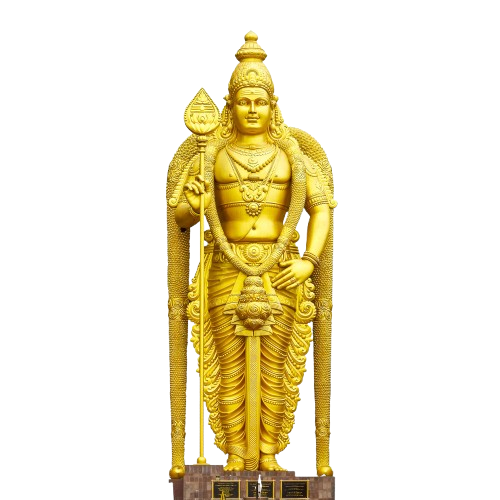
Thaipooyam is celebrated on the Puyam star day in the Malayalam month of Makaram (Thai month). It is the birthday of Subrahmanya, the son of Shiva and the Deva Senapati. The day of Puyam in Makaram month is also considered as the day when Subrahmanya vanquished the demon Taraka in battle and achieved victory. At the same time, there is also a legend that Thaipooyam is the wedding day of Subrahmanya. This day is considered as the day when good triumphed over evil.
In astrology, Subrahmanya is the deity of Mars. Financial burdens, marriage obstacles, legal disputes, blood-related diseases, enemy afflictions, conflicts, employment obstacles, quarrelsome nature, and childlessness are caused by the inauspicious position of Mars in the horoscope. Therefore, visiting Subrahmanya temples on this day and performing special offerings is a remedy for these afflictions. The Thaipooyam Mahotsavam is beautifully celebrated at the Sri Subrahmanya sanctum with devotion and spiritual experiences.
തൈപ്പൂയം വഴിപാടുകൾ
ഭസ്മച്ചാർത്ത്
പഞ്ചാമൃതാഭിഷേകം
പാൽ അഭിഷേകം
തട്ടം സമർപ്പണം
നെയ്യഭിഷേകം
പഞ്ചാമൃതം വഴിപാട്
വേൽ സമർപ്പണം
ത്രിമധുരം വഴിപാട്
കുമാരസൂക്തപുഷ്പാഞ്ജലി
ഒറ്റനാരങ്ങ വഴിപാട്
“May Murugan, the six‑faced Lord of valor,
bestow victory and auspiciousness upon His devotees.”
— Skanda Shashti
“ധീരതയുടെ ആറുമുഖനായ ഭഗവാൻ മുരുകൻ
ഭക്തർക്കു വിജയം മംഗലഫലമായി വരദാനം ചെയ്യട്ടെ.”
— സ്കന്ദഷഷ്ഠി
Skanda Shashti
തുലാമാസത്തിലെ വെളുത്തപക്ഷ ഷഷ്ഠിയാണ് സ്കന്ദഷഷ്ഠി. സന്താനാഭിവൃദ്ധിക്കും രോഗശാന്തിക്കും ദുരിതനിവാരണത്തിനും ദാമ്പത്യഭദ്രതയ്ക്കും അത്യുത്തമമാണ് സ്കന്ദഷഷ്ഠിവ്രതം. സുബ്രഹ്മണ്യപ്രീതിക്കായുള്ള സ്കന്ദഷഷ്ഠിവ്രതത്തിന് ആറുദിവസത്തെ വ്രതാനുഷ്ഠാനമാണ് ഉത്തമം.
സ്കന്ദഷഷ്ഠി വ്രതം അനുഷ്ഠിച്ചാൽ?
ഒരു സ്കന്ദഷഷ്ഠി വ്രതം ആറ് ഷഷ്ഠി വ്രതം അനുഷ്ഠിക്കുന്നതിനു തുല്യമാണ്. കുടുംബസൗഖ്യത്തിനും ജീവിതസൗഭാഗ്യത്തിനും അത്യുത്തമമാണ് സ്കന്ദഷഷ്ഠി വ്രതം. ഭക്തിയോടെ അനുഷ്ഠിച്ചാൽ ഭർതൃ‑സന്താന ദുഃഖവും തീരാവ്യാധികളും ഉണ്ടാകുകയില്ല. ഉദ്ദിഷ്ഠകാര്യസിദ്ധിക്കായും ഷഷ്ഠിവ്രതം അനുഷ്ഠിക്കാം. എല്ലാ മാസത്തിലെയും ഷഷ്ഠിനാളിൽ വ്രതം അനുഷ്ഠിക്കുന്നത് ഉത്തമം. തുലാമാസത്തിലെ സ്കന്ദഷഷ്ഠിയാണ് ഇതിൽ ഏറ്റവും പ്രധാനം; മാസംതോറുമുള്ള വ്രതാചരണം തുടങ്ങേണ്ടത് തുലാമാസത്തിലെ ഷഷ്ഠി മുതലാണെന്ന് പറയപ്പെടുന്നു.
വ്രതാനുഷ്ഠാനം എങ്ങനെ?
ഷഷ്ഠിദിനത്തിനു അഞ്ചു ദിവസം മുൻപേ വ്രതം ആരംഭിക്കുക. ചിലർ തലേന്ന് ഒരിക്കലോടെ ഷഷ്ഠിദിനത്തിൽ മാത്രം വ്രതം വൈകിട്ടും അനുഷ്ഠിക്കുന്നു. വ്രതദിനങ്ങളിൽ കുളികഴിഞ്ഞു മാത്രമേ ഭക്ഷണം കഴിക്കാവൂ. രാവിലെ സുബ്രഹ്മണ്യനാമ ഭജനവും ഒരിക്കലൂണ് ചെയ്യുന്നതും അഭികാമ്യം. ഷഷ്ഠി ദിവസം ഉപവാസത്തോടെ സുബ്രഹ്മണ്യ ക്ഷേത്രത്തിൽ ദർശനം, വഴിപാടുകൾ, ഉച്ചസമയത്തെ ഷഷ്ഠി പൂജ, ക്ഷേത്രത്തിൽനിന്ന് ലഭിക്കുന്ന നേദിച്ച പടച്ചോറ് കഴിച്ച് വ്രതം പൂർത്തിയാക്കണം. സന്ധ്യയ്ക്ക് സുബ്രഹ്മണ്യ ഭജനവും ഷഷ്ഠിതി ചൊല്ലുന്നതും ഉത്തമം. പിറ്റേന്നു തുളസി തീർത്ഥം സേവിച്ചാണ് പാരണ.
സ്കന്ദഷഷ്ഠിയും ഐതിഹ്യം
ഉമാമഹേശ്വരന്റെ പുത്രനായ സുബ്രഹ്മണ്യൻ താരകാസുര നിഗ്രഹത്തിനു ശേഷം ശൂരപദ്മാസുരനുമായി യുദ്ധം ചെയ്തു. മായാവിയായ അസുരൻ സ്കന്ദനെ അദൃശ്യനാക്കി. സ്കന്ദനെ കാണാതെ വിഷാദിതരായ ദേവന്മാരും പാർവതിദേവിയും തുടര്ന്ന് ആറു ദിവസം വ്രതം ചെയ്തു; തുലാമാസത്തിലെ ഷഷ്ഠി ദിനത്തില് മായയെ അതിജീവിച്ച സുബ്രഹ്മണ്യൻ ശൂരപദ്മനെ വധിച്ചു. അതിനാൽ തുലാമാസത്തിലെ ഷഷ്ഠി “സ്കന്ദഷഷ്ഠി” എന്നറിയപ്പെടുന്നു.
ഷഷ്ഠി ദിനത്തിൽ സുബ്രഹ്മണ്യന്റെ മൂലമന്ത്രമായ “ഓം വചത്ഭുവേ നമഃ” 108 തവണ ജപിക്കണം. ‘ഓം ശരവണ ഭവ’ 21 തവണ ജപിച്ചുള്ള പ്രാർത്ഥനയും ഉത്തമമാണ്.
സുബ്രമണ്യസ്തുതി
ഷഡാനനം ചന്ദന ലേപിതാംഗം
മഹാത്ഭുതം ദിവ്യ മയൂര വാഹനം
രുദ്രസ്യ സൂനം സുരലോക നാഥം
ബ്രഹ്മണ്യ ദേവം ശരണം പ്രപദ്യേ
ആശ്ചര്യവീരം സുകുമാരരൂപം
തേജസ്വിനം ദേവഗണാഭിവന്ദ്യം
ഏണാങ്ക ഗൗരീ തനയം കുമാരം
സ്കന്ദം വിശാഖം സതതം നമാമി
സ്കന്ദായ കാർത്തികേയായ പാർവതി നന്ദനായ ച
മഹാദേവ കുമാരായ സുബ്രമണ്യായ തേ നമഃ
Skanda Shashti, observed on the sixth lunar day of the bright fortnight in the month of Thulam, is renowned for blessings of child‑prosperity, healing, removal of hardships, and marital harmony. Devotees undertake a six‑day vow dedicated to Lord Subrahmanya (Murugan) as the most auspicious observance.
Benefits of the Vrat
One Skanda Shashti vow is said to equal six monthly Shashti vows. It brings domestic well‑being and good fortune. Performed with devotion, it alleviates grief related to spouse and progeny, and wards off incurable ailments. The vow may be undertaken for fulfilment of specific intentions. While monthly Shashti observance is ideal, the Thulam Skanda Shashti is foremost; tradition holds that the monthly cycle begins from Thulam’s Shashti.
How to Observe
Begin five days prior to Shashti. Some observe a single meal the previous day and a single meal only on Shashti, while others keep the fast until evening. On all vow days, eat only after a bath. Morning chanting of Subrahmanya’s names and a single meal are recommended. On Shashti, keep fast, visit the Subrahmanya temple for darshan and offerings, attend the midday Shashti puja, and complete the vow by partaking the sanctified prasada. In the evening, chant Subrahmanya bhajans and the Shashti tithi verses. The next morning, conclude with Tulasi tirtha.
Legend
After vanquishing Tarakasura, Lord Subrahmanya waged war against the demon Surapadma. Through sorcery, the demon rendered Skanda invisible. Grief‑stricken, the gods and Mother Parvati observed a six‑day vow; empowered thereby, Subrahmanya overcame the illusion and slew Surapadma on the Shashti of Thulam. Hence, the day is celebrated as Skanda Shashti.
On Shashti, chant the moola mantra “Om Vachathbhuve Namah” 108 times. While praying to Murugan, chanting “Om Sharavana Bhava” 21 times is also meritorious.
Subrahmanya Stuti
Shadananam chandanaleptāṅgam,
mahādbhutaṁ divya mayūra vāhanam;
rudrasya sūnum suraloka nātham —
brahmaṇya devaṁ śaraṇaṁ prapadye.
Āścarya vīraṁ sukumāra rūpaṁ,
tejasvinaṁ devagaṇābhivandyam;
eṇāṅka gaurī tanayaṁ kumāraṁ —
Skandaṁ Viśākhaṁ satataṁ namāmi.
Skandāya Kārttikeyāya Pārvatī nandana ya ca,
Mahādeva kumārāya Subrahmaṇyāya te namaḥ.
"On this sacred day of serpents,
we seek the blessings of Vasuki,
the king of nagas dwelling in the divine realm."
— Ayilyam
"ഈ പുണ്യദിനത്തിൽ നാഗരാജാവിന്റെ അനുഗ്രഹം തേടുന്നു
വാസുകിയുടെ കാരുണ്യം നമ്മുടെ ജീവിതം പൂർണ്ണമാക്കട്ടെ"
— ആയില്യം
ആയില്യം
പരമശിവന്റെ കഴുത്തിൽ കിടക്കുന്ന നാഗരാജാവ് വാസുകിയുടെ ജന്മദിനം ആണ് കന്നിമാസ ആയില്യം. ഭാരതീയ പുരാണപ്രകാരം പാതാളത്തിൽ വസിക്കുന്ന നാഗദൈവങ്ങളുടെ രാജാക്കളിൽ ഒന്നാണ് വാസുകി. വാസുകി കശ്യപമുനിയുടേയും കദ്രുവിന്റെയും പുത്രനാണ്. ചൈനീസ്, ജാപ്പനീസ് ഐതിഹ്യങ്ങളിൽ വാസുകി എട്ട് മഹാനാഗങ്ങളിൽ ഒരാളാണ്. മറ്റുള്ളവർ നന്ദ അഥവാനാഗരാജ, ഉപനന്ദ, സാഗര അഥവാ ശങ്കര, തക്ഷകൻ, ബലവാൻ, അനവതപ്ത, ഉത്പല എന്നിവരാണ്. വാസുകി തലയിൽ നാഗമാണിക്യം വഹിക്കുന്നു. വാസുകിയുടെ സഹോദരിയാണ് മാനസ. പാലാഴി മഥനത്തിൽ കയറായത് വാസുകിയാണ്.
പാഞ്ചാല ദേശത്തെ അഹിക്ഷേത്രയിൽ നിന്നും ഭാരതത്തിൻ്റെ ദക്ഷിണ ദിക്കിലേക്ക് കുടിയിറങ്ങി വന്ന ഒരു നാഗ വംശം, കശ്യപ സന്തതികൾ അവരുടെ നെഞ്ചോടു ചേർത്ത് കൊണ്ടുവന്നതാണ് എന്നാണ് വിശ്വാസം. അങ്ങിനെ പലയിടങ്ങളിൽ കുടിയിരുത്തപെട്ട അഷ്ട നാഗങ്ങളെയും, കരിമണി, മണിനാഗങ്ങളെയും നമ്മൾ കുലം അനുസരിച്ച് ആരാധിക്കുന്നു. നാഗക്ഷത്രീയ വംശം ഇന്നും അതിൻ്റെ പരമ്പരകളാൽ കുലദേവതകൾ അവരുടെ പ്രീതിക്കും കുല ഗുരുവായ കശ്യപ ഗുരുവിൻ്റെ പ്രീതിക്ക് കാവുകളിൽ തിരിവച്ച് തൊഴുതു നൂറും പാലും സമർപ്പിച്ചു സർപ്പബലിയും നൽകുന്നു.
കന്നി മാസത്തിലെ ആയില്യ ദിനത്തിൽ സർപ്പപ്രീതിക്കായി ആരാധന നടത്താൻ ഏറ്റവും ഉത്തമമായ ദിനമാണിത്. സർപ്പപ്രീതി ലഭിച്ചാൽ സന്താനസൗഭാഗ്യവും മക്കൾക്ക് അഭിവൃദ്ധിയും ഉണ്ടാകുമെന്നു പുരാണങ്ങളും സർപ്പപ്രീതിയിലൂടെ സന്താനസൗഖ്യമുണ്ടാകുമെന്നു ജ്യോതിഷഗ്രന്ഥങ്ങളും പറയുന്നു.
നാഗദേവതാപ്രാധാന്യമുള്ള ഒട്ടേറെ ക്ഷേത്രങ്ങളിൽ ഇന്ന് ആയില്യം പൂജ നടക്കും. പ്രസിദ്ധമായ മണ്ണാറശാല ആയില്യം ആചരിക്കുന്നത് തുലാമാസത്തിലെ ആയില്യം നാളിലാണ്. ആയില്യം നക്ഷത്രം സർപ്പങ്ങളുമായി ബന്ധപ്പെട്ടതാണ്. നാഗരാജാവിന്റെ നക്ഷത്രം ആയില്യമാണെന്നാണു വിശ്വാസം. കന്നി മാസത്തിലെ ആയില്യം തൊഴുതാൽ ഒരു വർഷത്തെ ആയില്യപൂജയ്ക്ക് തുല്യമാണെന്നും പറയപ്പെടുന്നു.
പ്രാധാന്യം
നാഗങ്ങളുടെ ജന്മദിനം
പൗരാണിക വിശ്വാസപ്രകാരം, ഈ ദിവസം നാഗരാജാവായ വാസുകിയുടെ ജന്മദിനമാണ്.
പ്രധാന വഴിപാടുകൾ
നൂറും പാലും, പാൽപ്പായസം, കദളിപ്പഴം
ഇവയാണ് സാധാരണയായി കന്നി മാസത്തിലെ ആയില്യത്തിന് സമർപ്പിക്കുന്ന വഴിപാടുകൾ.
ദോഷപരിഹാരം
സർപ്പദോഷം നിവാരണം
ജാതകത്തിൽ സർപ്പദോഷം (രാഹുദോഷം) ഉള്ളവർക്ക് ഈ ദിവസം നാഗക്ഷേത്രങ്ങളിൽ ദർശനം നടത്തുന്നത് ദോഷം പരിഹരിക്കാൻ സഹായിക്കും.
ക്ഷേത്രത്തിലെ പ്രാധാന്യം
അഷ്ട നാഗങ്ങളെ ആടയാഭരണങ്ങളാക്കിയ ദേശദേവത പറയരുകാല അമ്മയുടെ വിശാലമായ കാവും കുളവും ചേർന്ന അഷ്ട നാഗ കാവിലെ തിരുവുത്സവം വിവിധ പൂജാദികർമ്മങ്ങളോടെ നടത്തിപ്പോരുന്നു.
പ്രാർത്ഥനകളും ആചാരങ്ങളും
രാവിലെ 6 മണി മുതൽ
അഭിഷേകങ്ങൾ, പുള്ളുവൻ പാട്ട്
രാവിലെ 11 മണി മുതൽ
വിശേഷാൽ നാഗരൂട്ട്, നൂറും പാലും
വ്രതം
കന്നി മാസത്തിലെ ആയില്യം ദിനത്തിൽ വ്രതാനുഷ്ഠാനം നടത്തുന്നത് ഉത്തമമായി കണക്കാക്കപ്പെടുന്നു.
ക്ഷേത്രദർശനം
നാഗക്ഷേത്രങ്ങളിലും ശിവക്ഷേത്രങ്ങളിലും ദർശനം നടത്തുന്നത് നല്ലതാണ്.
പ്രദക്ഷിണം
നാഗപ്രതിഷ്ഠക്ക് ചുറ്റും 5 തവണ പ്രദക്ഷിണം വയ്ക്കുന്നത് ഉത്തമമാണ്.
മന്ത്രജപം
"ഓം നമശിവായ" മന്ത്രം 336 തവണ ജപിക്കുന്നത് പുണ്യകരമായി കരുതുന്നു.
Ayilyam in the month of Kanni is celebrated as the birthday of Vasuki, the serpent king who adorns Lord Shiva's neck. According to Indian puranas, Vasuki is one of the kings of serpent deities dwelling in the netherworld. Vasuki is the son of Sage Kashyapa and Kadru. In Chinese and Japanese legends, Vasuki is one of the eight great nagas. The others are Nanda or Nagaraja, Upananda, Sagara or Shankara, Takshaka, Balavan, Anavatapta, and Utpala. Vasuki wears the Nagamani gem on his head. Manasa is Vasuki's sister. Vasuki was used as the rope during the churning of the ocean of milk.
It is believed that a Naga tribe descended from Panchala desa's Ahikshetra and migrated to the southern part of India, bringing the Kashyapa lineage with them. Thus, in various places, the Ashta Nagas, Karimani, and Maninagas are worshipped according to lineage traditions. The Nagakshatriya community still worships their clan deities for their pleasure and the pleasure of their clan guru Sage Kashyapa, offering noorum palum and sarppabali at kavus.
The Ayilyam day in the Kanni month is the most auspicious day for serpent worship. If serpent blessings are received, it brings child prosperity and progress to children, according to puranas. Jyotisha scriptures also say that serpent worship brings child well-being.
Today, Ayilyam puja is performed in many temples with serpent deity importance. The famous Mannarasala Ayilyam is celebrated on the Ayilyam day in Thulam month. The Ayilyam star is associated with serpents. It is believed that Ayilyam is the star of the Naga king. The Thiruvutsavam at the Ashta Naga Kava, which combines the vast Kava and pond of the village deity Parayarukala Amma who wears the Ashta Nagas as ornaments, is conducted with various puja rituals. It is also said that worshipping on Ayilyam in Kanni month is equivalent to a year's Ayilyam puja.
Significance
Birthday of Nagas
According to ancient beliefs, this day is the birthday of the Naga king Vasuki.
Main Offerings
Noorum Palum, Palpayasam, Kadali Fruit
These are the common offerings made on Ayilyam day in Kanni month.
Dosha Remediation
Sarpa Dosha Relief
For those with Sarpa dosha (Rahu dosha) in their horoscope, visiting Naga temples on this day helps in remediation.
Temple Importance
The Thiruvutsavam at the Ashta Naga Kava of the village deity Parayarukala Amma, who wears the Ashta Nagas as ornaments, is conducted with various puja rituals combining the vast Kava and pond.
Prayers and Rituals
From 6 AM Morning
Abhishekams, Pulluvan Paattu
From 11 AM Morning
Special Nagaroottu, Noorum Palum
Fasting (Vratham)
Observing vratham on Ayilyam day in Kanni month is considered highly auspicious.
Temple Visit
It is good to visit Naga temples and Shiva temples.
Pradakshinam
It is auspicious to perform pradakshinam 5 times around Naga installations.
Mantra Japa
Chanting "Om Namashivaya" mantra 336 times is considered meritorious.
"Towering creations of devotion rise to the sky,
bearing witness to the
artistry
of the faithful."
— Kettukazhcha
Kettukazhcha
Kettukazhcha is one of the most dramatic and visually magnificent festival traditions of Kerala's Devi temples. The word "Ketti" means bound or constructed, and "Kazhcha" means spectacle or sight — this is truly a spectacle of faith and craftsmanship.
Enormous effigies and decorative structures — often built to towering heights of 30 to 50 feet or more — are crafted by village communities and brought in procession to the temple. These creations, richly decorated with flowers and coloured cloth, represent the devotion and creative genius of the village guilds that have participated in this tradition for generations.
Towering Structures
Massive decorated effigies built by village teams, often rising 30–50 feet, are carried in procession to the temple.
Community Craft
Village guilds compete in artistry and devotion — a tradition that has continued for countless generations.
The Kettukazhcha procession is accompanied by percussion music, chanting, and the joyous cries of thousands of assembled devotees, making it one of the most beloved events in the temple calendar.
"The sky splits open with fire and thunder —
the Goddess announces Her
presence to
the world."
— Vedikettu
Vedikettu
Vedikettu — the firing of crackers and ceremonial rockets — is a deeply-rooted tradition in the festival celebrations of the Parayarukala Devi Temple. The crack and thunder of the fireworks serve as an announcement to the world: the Goddess is present, She is powerful, and Her devotees are rejoicing in Her grace.
In the stillness of the Kerala night, the Vedikettu fills the sky with light and sound. The bursts of light from the rockets are seen as representations of the Goddess's own radiance — Her power made visible in the heavens. Devotees gather in joyful anticipation as each salvo goes up, and the entire community is united in this shared experience of wonder and devotion.
Divine Announcement
The thunder of fireworks announces the Goddess's presence and power to the entire region.
Festival of Light
Rockets of light fill the night sky as a symbol of the Goddess's own blazing radiance and glory.
"The Goddess descends to the waters — purifying all,
blessing all, embracing
all
in Her boundless grace."
— Arattu
Arattu — The Sacred Ceremonial Bath
Arattu is the culminating ceremony of the Meenabharani Mahotsavam — and one of the most sacred and emotionally moving rituals in the entire festival calendar. On this blessed day, the processional deity of the Goddess is ceremonially carried from the temple — accompanied by elephants, percussion ensembles, torchbearers, and thousands of devotees — to a nearby water body for the sacred ritual bathing.
The word "Arattu" comes from the Malayalam "aarattu" (ആറാട്ട്), meaning "bathing in the river." This ceremony symbolises the purification, renewal, and the completion of the festival cycle. It is a moment of profound sanctity — when the devotee, standing at the water's edge, feels the presence of the Divine most acutely.
Sacred Bathing
The processional deity is brought to water in a grand procession for the ceremonial ritual bath.
Festival Completion
Arattu marks the joyful, sacred conclusion of the Meenabharani Mahotsavam celebrations.
The return procession of the Goddess to the temple after Arattu is an equally moving spectacle — and as the doors of the sanctum close once more, devotees carry in their hearts the warmth of the divine encounter they have just witnessed.
"One lakh flames, lit in devotion,
bring the night alive
as a vision of the Divine."
— Lakshadeepam · Revathivilakku
Lakshadeepam — Revathivilakku
The Significance of the Sacred Lamp
Agni (Fire) is one of the principal deities extolled in the Vedas. The Rigveda, which opens with the mantra 'Agni Meele Purohitam', glorifies Agni in numerous hymns. It is believed that Agni carries the offerings of the yajna to the gods and also serves as the messenger of the gods.
The Vedas speak of three forms of Agni — the ordinary fire on earth, the lightning in the atmosphere, and the sun in the sky. The Rigveda indicates that in the evening the sun deposits its radiance into the earthly fire, and the earthly fire returns that radiance to the sun at dawn — revealing the profound importance of lighting a lamp at both twilights.
The sun, moon, and stars are all sources of light. The Padmapurana tells us that the flame of the lamp is a symbol of the cosmic light — the light of God — of which all these luminaries are a part.
Three Forms of Agni
The fire on earth, lightning in the atmosphere, and the sun in the sky — all three are expressions of the same Divine Light.
One Lakh Lamps
One lakh lamps lit simultaneously bathe the entire temple complex in a golden divine radiance.
Revathivilakku — The Journey So Far...
What began in 2006 as a display of 500 lamps during the Aswathy Mahotsavam has grown — passing through thousands and then tens of thousands — to now surpass one lakh lamps.
From 2009 onwards, the Vilakku was shifted to the Revathi nakshatra day in order to allow the Pongala and Kazhcha-Sreebali on Aswathy day to be conducted smoothly. Following the Ashtamangala Tambula Prasna verdict of 2014, it became an indispensable part of the Thiruvotsavam and was formally incorporated into the temple calendar.
It is solely the compassionate grace of Amma Sri Parameswari that has made all this possible. Revathivilakku — long embraced by the entire community as the land's own festival of light — achieved the glorious milestone of one lakh lamps in 2017.
Began in 2006
Started with 500 lamps as part of the Aswathy Mahotsavam; today it has surpassed one lakh.
2017 — Lakh-Lamp Milestone
The historic moment of one lakh lamps was achieved in 2017.


